What to Look for When Choosing a Designer Diamond Ring
When you are shopping for a designer diamond ring, the choices can feel endless. The right ring balances personal taste with practical concerns like durability and wearability. Before you start browsing, it helps to know what separates a well-made ring from one that looks good in photos but disappoints in person.
A great designer ring starts with the stone. The diamond's cut, clarity, color, and carat weight still matter, but a designer piece adds another layer: the setting and the band must work together to present the diamond at its best. A poorly chosen setting can make a good diamond look dull, while a thoughtful design can make a good diamond look exceptional. This is where a resource like diamond-rings-info.com can help clarify what to expect from different settings and metal choices before you invest.
Understand the Ring Profile and Band Width
The ring profile is the shape of the band when you look at it from the side. Common profiles include flat, court (rounded inside and out), and D-shaped. Each profile affects how the ring feels on your finger and how it wears over time. A flat profile, for instance, sits flush against the skin and can be comfortable for those with straight fingers, but it may feel sharp-edged on someone with knobby knuckles. A court profile, which is rounded on both the inside and outside, tends to be more comfortable for everyday wear because it slides on easily and does not pinch.
Band width also matters. Narrow bands (under 2 mm) can look delicate but may bend or break under the pressure of daily activities. Wider bands (over 4 mm) offer more durability but can feel heavy or bulky on smaller fingers. Most designer rings fall in the 2 mm to 4 mm range, which balances strength with elegance. If you have long, slender fingers, a slightly wider band can create a pleasing proportion. For shorter fingers, a narrower band can make the finger appear longer.
Choose the Right Metal Color
Metal color is a personal choice, but it also affects how the diamond appears. Yellow gold and rose gold add warmth to the diamond, which can make a slightly yellow diamond look whiter by comparison. White gold and platinum create a cool, crisp backdrop that makes the diamond's sparkle stand out. Platinum is denser and more durable than white gold, but it costs more and can develop a patina over time. Many people prefer the bright white look of rhodium-plated white gold, but the plating wears off and needs reapplication every year or two.
If you plan to wear the ring daily, think about how the metal color will work with your skin tone and your wardrobe. Silver-toned metals tend to complement cool skin tones, while gold tones suit warm skin. Rose gold works well with most skin tones and has grown in popularity for its romantic hue. You can also mix metals in a single ring, such as a white gold band with yellow gold prongs, to get the best of both worlds.
Stone Setting and Security
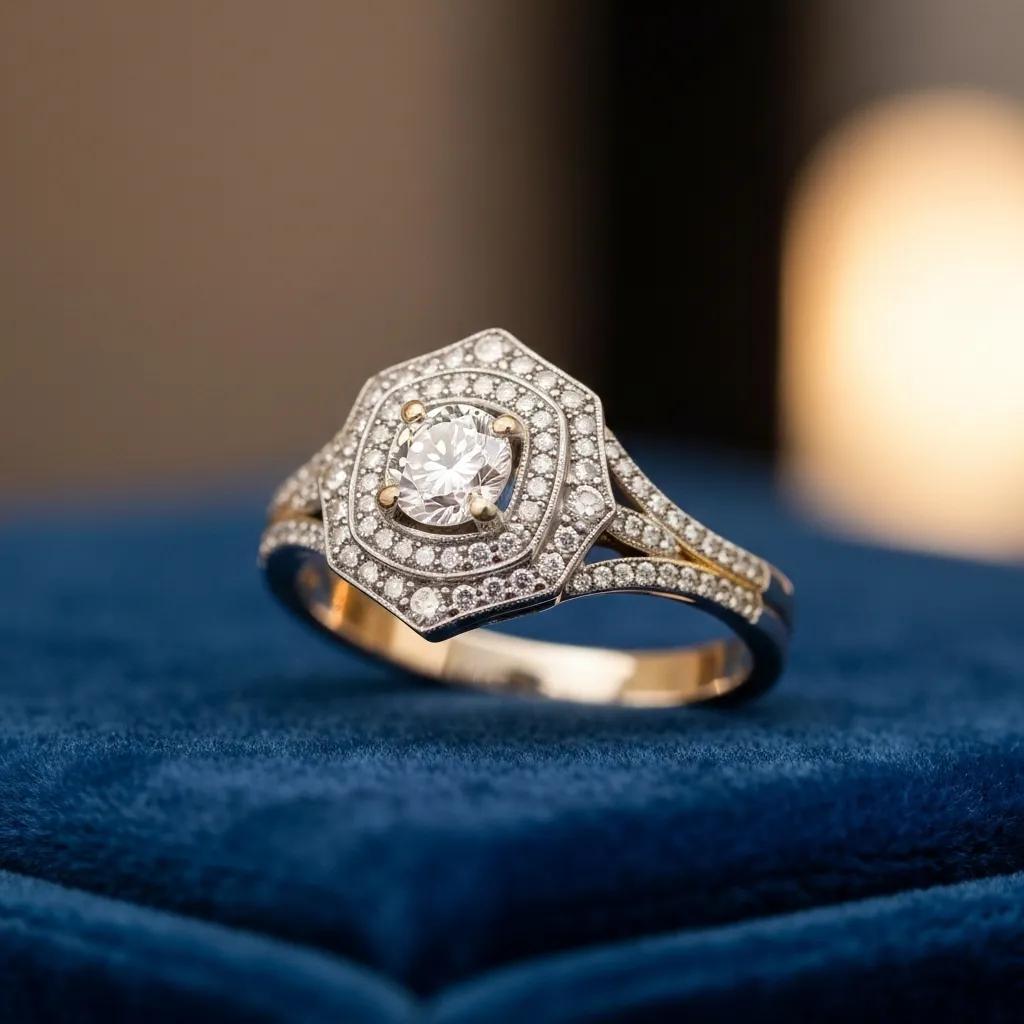
The way the diamond is held in place is one of the most important aspects of a designer ring. Common settings include prong, bezel, channel, and pave. Each offers a different look and level of security.
Prong settings are the most traditional. They hold the diamond with four or six metal claws. Six prongs are generally more secure than four, especially for larger stones. Prongs can snag on clothing if they are not rounded properly, so check that the prongs are smooth and not pointy. Bezel settings encase the diamond in a metal rim, which offers excellent protection and a sleek, modern look. Channel settings hold multiple small diamonds in a groove between two metal walls, creating a continuous line of sparkle. Pave settings feature small diamonds set close together with tiny beads of metal holding them in place. Pave can be stunning but requires careful craftsmanship to ensure the stones do not fall out.
When evaluating a setting, ask how the stones are secured. A well-made setting will have even spacing, tight stone alignment, and no visible gaps. Run your finger over the setting to feel for rough edges or loose stones. A good designer ring should feel smooth and solid.
Consider Finger Shape and Wearing Comfort
Your finger shape influences how a ring looks and feels. People with long, slender fingers can pull off almost any style, from wide bands to intricate settings. Those with shorter, wider fingers may prefer a ring with vertical lines or an elongated shape, such as an oval or marquise cut diamond, which creates the illusion of length. Knobby knuckles require a ring that can slide over the knuckle without being too loose on the finger. A court profile or a ring with a slightly larger size and a sizing bead can help.
Wearing comfort is not just about fit. The inside of the band should be smooth. Many designer rings feature a comfort fit, where the inner edge is slightly rounded rather than flat. This small detail makes a big difference when you wear the ring all day. Also consider the height of the setting. A high setting can catch on things and may be uncomfortable for people who type or work with their hands. A low-profile setting sits closer to the finger and is less likely to snag.
Design Signature and Craftsmanship
A designer ring often has a distinct style or signature element that sets it apart from mass-produced pieces. This could be a particular metal finish, a unique way of arranging stones, or a recurring motif. Look for clean lines, precise stone alignment, and consistent metalwork. The hallmark of a well-crafted ring is in the details: the way the metal flows, the smoothness of the edges, and the evenness of the polish.
Check the ring's construction. A solid shank (the part that goes around the finger) is stronger than a hollow one. If the ring has a gallery (the area under the stone), it should be finished and polished, not rough. Stamped or cast rings may have small imperfections that a skilled hand-finisher would have removed. If possible, examine the ring under magnification to see the quality of the prongs and the setting.
The designer's reputation also matters. Established designers often have a consistent quality standard and a recognizable aesthetic. But a lesser-known designer may offer more unique designs at a lower price. The key is to verify the craftsmanship by looking at multiple pieces from the same maker. A good designer will have a portfolio that shows attention to detail across different styles.
Budget Range and Value
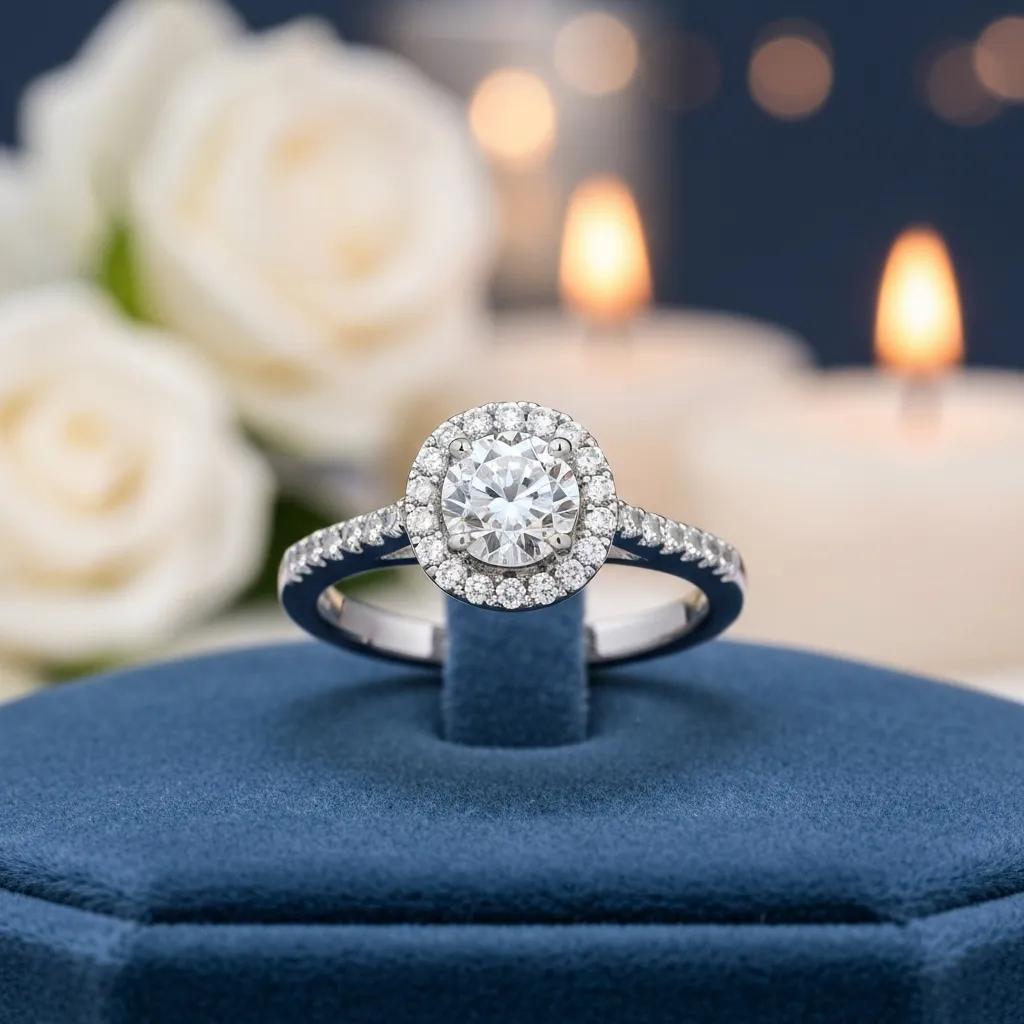
Designer rings typically cost more than non-designer rings, but the premium can be worth it for the quality of design and construction. Set a realistic budget range before you start shopping. Remember that the diamond itself is often the largest cost, but the setting and brand name add to the price. A simple, well-made setting in a precious metal can cost a few hundred dollars, while an intricate design with small accent diamonds can run into the thousands.
To get the best value, compare the ring's total cost to the sum of its parts: the diamond, the metal weight, and the labor. A designer ring that uses a lower-quality diamond in a stunning setting is not necessarily a good deal if the diamond is the centerpiece. Conversely, a ring with a high-quality diamond in a simple setting may be a better investment if the setting is well made. For guidance on evaluating diamond quality and understanding market prices, a site like diamond-rings-info.com offers practical insights that can help you make an informed choice.
Ultimately, the best designer diamond ring is one that fits your finger comfortably, holds the stone securely, and reflects your personal style. Take your time, try on different styles, and do not settle for a ring that does not feel right. A well-chosen ring will bring you joy for years to come.